TEACHING
Teaching begins with understanding.
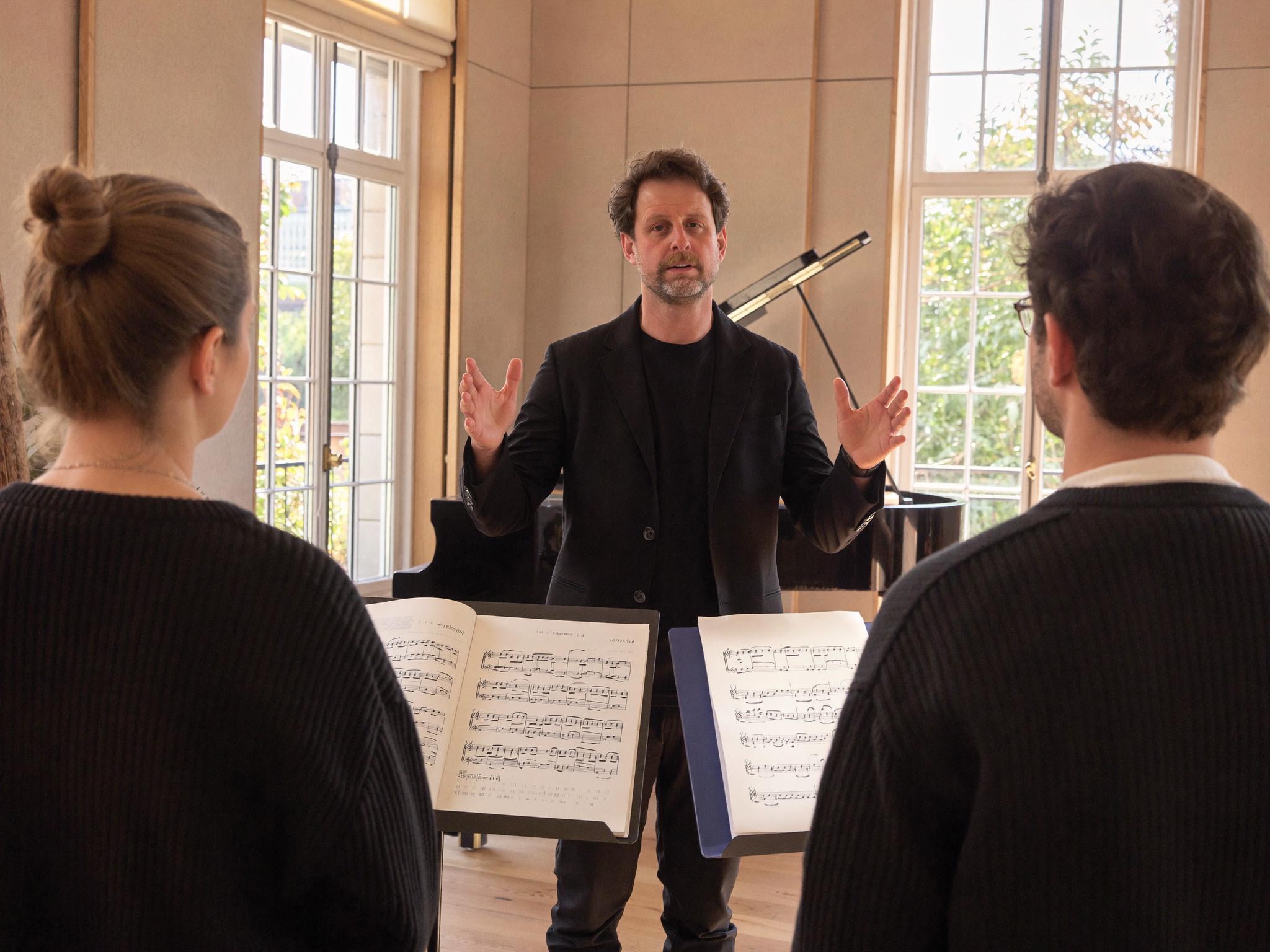
02 — NATURAL BASSOON PLAYING
Understanding before instruction.
There is no single way to play the bassoon.
The physical and acoustic principles are the same, but every musician brings a different body, perception and musical imagination to the instrument.
My approach begins with understanding these principles: how breathing works, how the body supports sound and how the instrument responds. From there, technique can become simpler, more natural and more individual.
The goal is independence.
Not to reproduce a teacher's solution, but to understand enough to find your own.
03 — WHAT WE WORK ON
The work behind
the music.
Technique is not an end in itself. It creates the freedom to listen, react and make musical decisions.
01
Breathing & Body
Efficient breathing, physical awareness and reducing unnecessary tension.
02
Sound & Technique
Developing a resonant sound and a technique that remains flexible under musical demands.
03
Repertoire & Style
Understanding musical language, context and the role of the bassoon within it.
04
Orchestral Playing
Listening, blending, reacting and understanding one's function within an ensemble.
05
Reeds
Understanding the craft well enough to develop an individual approach to reed making.
06
Auditions & Performance
Preparation, orchestral excerpts and performing reliably when it matters.
04 — STUDYING BASSOON
Studying bassoon in Würzburg.
Moritz Winker teaches bassoon at the University of Music Würzburg.
Studying an instrument means developing much more than technique. Lessons connect sound, repertoire, orchestral playing, reed making and performance — with the aim of becoming an independent musician.
For official information about degree programmes, applications and auditions, please refer to the University of Music Würzburg.
05 — PERFORMANCE
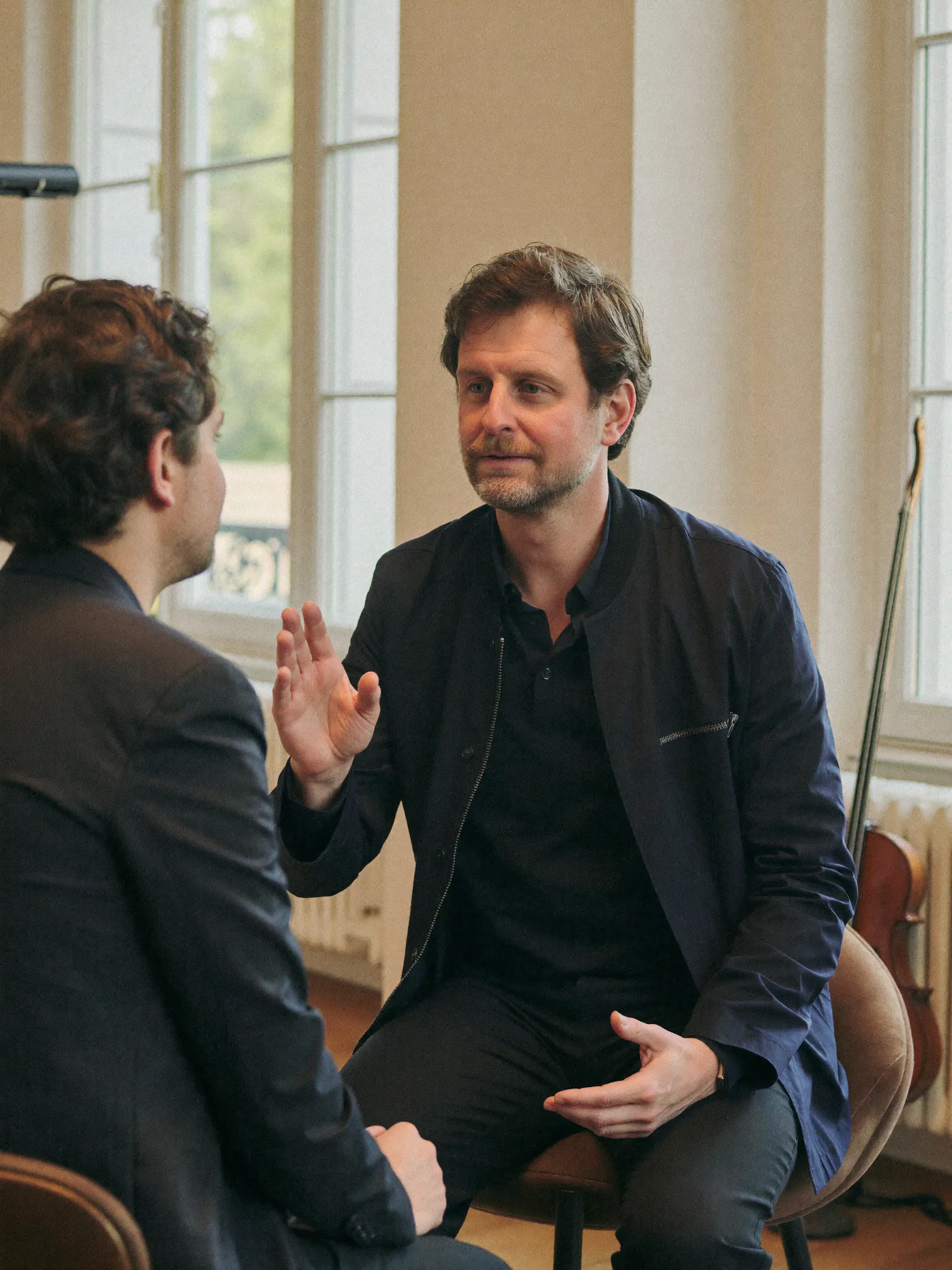
High standards without fear.
Preparation should create confidence, not pressure.
Professional playing demands precision, consistency and reliability. Those standards do not have to be built through fear of making mistakes.
In lessons and audition preparation, the aim is to make the musical and technical work so clear that attention can move away from avoiding mistakes — and back towards listening, reacting and communicating.
01 — PREPARATION
Know what you want to do.
Thorough preparation creates options: understanding the score, the orchestral context and the technical demands before pressure enters the room.
02 — PERFORMANCE
Trust what you have prepared.
Performance is not about controlling every moment. It is about remaining available — to the music, to other musicians and to what happens next.
06 — WORKING TOGETHER
Different settings.The same goal.
Whether in regular private lessons or in a masterclass setting, the aim remains the same: to understand what makes playing work — and to develop the independence to apply it.
01 — PRIVATE LESSONS
Individual work.
A focused space for developing technique, sound, musical understanding and a personal approach to the instrument.
For students, young professionals and advanced amateurs.
02 — MASTERCLASSES
A different perspective.
Masterclasses offer concentrated work on specific repertoire, orchestral excerpts, performance and individual questions — often in a group setting where everyone can learn from the process.
For conservatories, festivals, orchestras and other educational programmes.
07 — THE INSTRUMENT
Teaching is where ideas become practice.
The bassoon is where the questions continue.
Natural playing · Breathing · Sound · Technique · Reeds
08 — GET IN TOUCH
Let's work together.
For private lessons, masterclasses and professional enquiries, get in touch.
01 — PRIVATE LESSONS
Individual lessons.
Regular individual work on sound, technique, repertoire and musical independence.
02 — MASTERCLASSES
Focused work.
Masterclasses, workshops and educational programmes for conservatories, festivals and other institutions.